IMBA - International Mountain Bicycling Association
What would we do without trails?
200 IMBA Advocacy Summit Resources

Destination Mountain Biking: Positioning Your Community for Mountain Bike Tourism

14 tips to bring off-road cyclists to your area

  1. Great maps make it easy for visitors. Create excellent maps that clearly show the best trails for mountain biking. Elevation profiles and concise ride descriptions are also helpful, as are estimates of ride difficulty, descriptions of ride features, and weather and safety considerations. Maps should include parking and facility information. Use map revenues to improve trails and mitigate tourism impacts.
  2. Promote trails for all ability levels. For beginners, promote lightly traveled paved roads, dirt roads and wide dirt paths. For intermediate and advanced riders, highlight twisting forest paths, challenging singletrack and downhill routes. Providing all of these experiences, in abundance, will help establish your area as a first-rate mountain biking destination. Advertise a whole system of trails, not just one or that route will be over-used.
  3. Get the community involved. Build community support for bicycle tourism by emphasizing the economic benefits. Cyclists spend money on gas, food, lodging, souvenirs, etc. and stores that are friendly to cyclists foster this environment.
  4. Help the community understand mountain biking. Some people don't know the difference between mountain bicycling and motorcycling. Help residents understand that mountain biking is a low-impact, quiet off-road sport. Reference one of the studies from IMBA's website that shows our similarity to hiking in terms of effect on trails and wildlife. Show that with proper trail management and design, all trail user groups can recreate in harmony. Take town leaders on a ride.
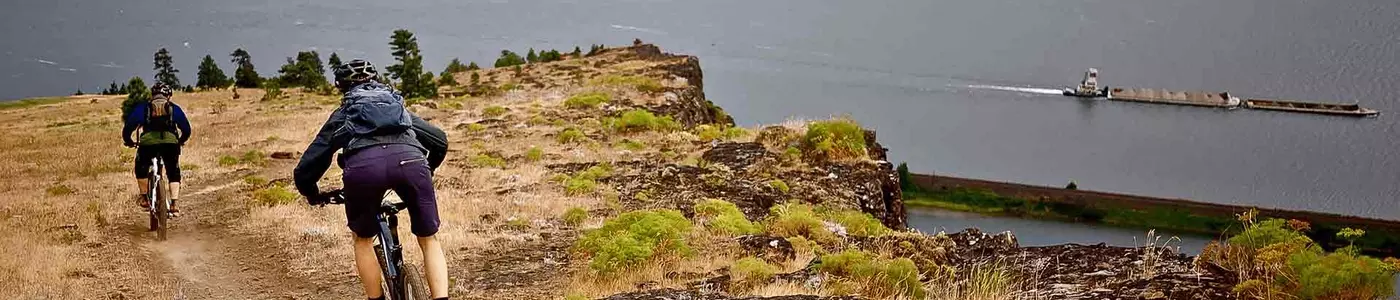
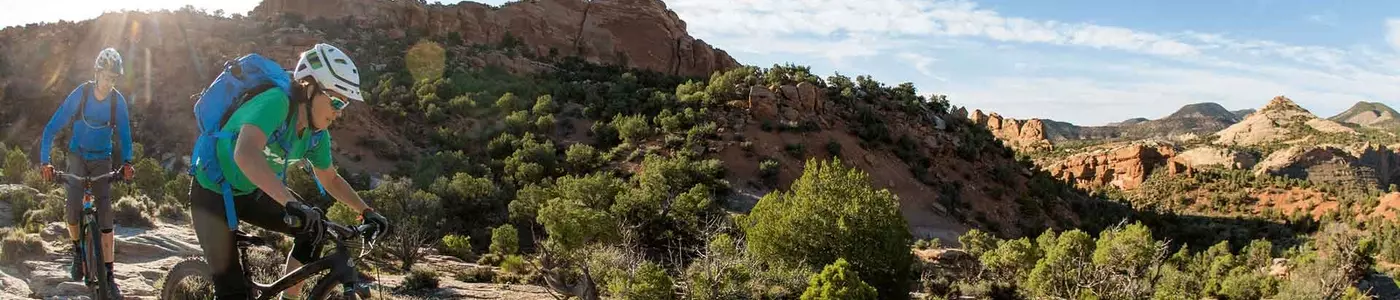
  5. Showcase the land's natural beauty. Design and recommend rides that visit sites with historical interest and beautiful views.
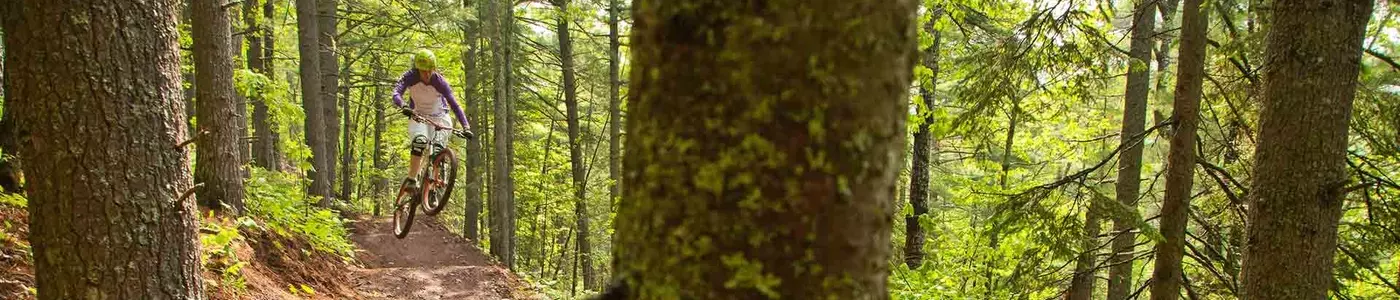
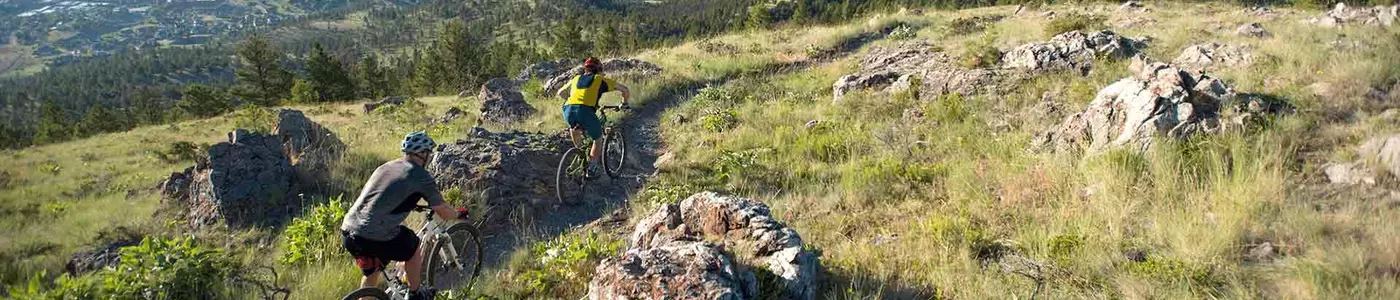
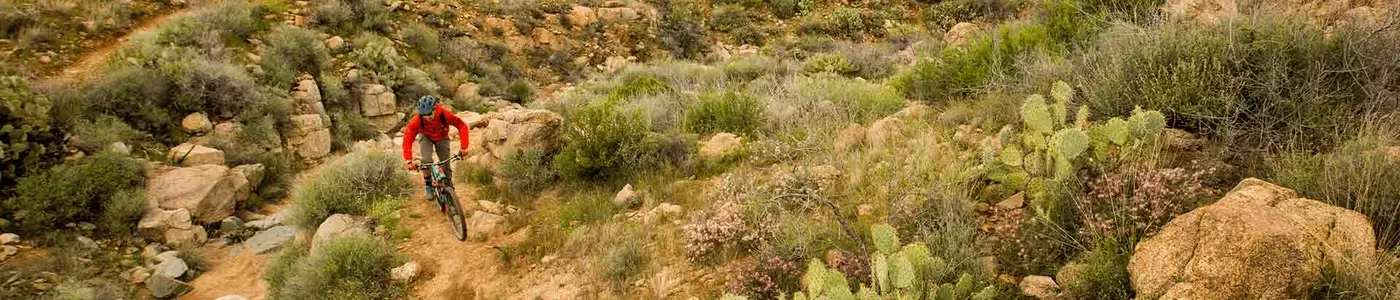
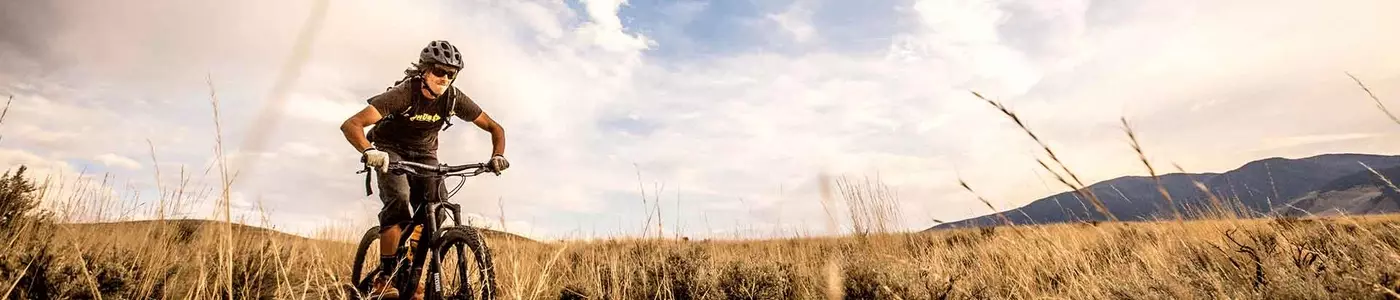
  6. Photograph your trails professionally. Commission photographers to take photos of your riding area. Send slides and digital files to magazines and newspapers. These photos will serve as a tremendous magnet. Moab, Utah; Fruita, Colorado; Medora, North Dakota and Slatyfork, West Virginia have built stellar reputations as mountain bike destinations using just a few rolls of spectacular mountain bike photos. Further, these images should also be used in widely distributed mountain bike tourism brochures and booklets. IMBA has a database of professional photographers on file for your reference. Email us at
  7. Woo the media. When you are ready, offer all expense paid media mountain bike trips - not only to cycling magazine editors but to general magazine editors and even daily newspaper writers.
  8. Bike hotels - lodging with the cyclist in mind. Cyclists look for convenient places to stay that compliment their lifestyle. Campgrounds near trailheads, bed and breakfasts and hotels that accept bikes are all appealing. Hut-to-hut (or inn to inn) rides have become popular in Colorado and Utah because they allow cyclists to ride light and free. Italy Bike Hotels, a group of more than 50 cooperating businesses, offer discounts to IMBA members, tour guide packages, a place to store your bike, pre and post-ride snacks, and offer to wash your bike and cycling clothes daily.
  9. Advertise other amenities in the area. Hiking, climbing, surfing and other tourism activities make an area attractive to visitors. Mountain bikers love to eat - especially following a long day in the saddle - so an easy list of restaurant options is also appreciated.
  10. Package deals. Develop package offers that appeal to mountain bikers by combining lodging, meals and bicycle shop support.
  11. Develop sustainable singletrack trails. IMBA can help with trail maintenance and design advice for trails that require minimal or no maintenance. Mountain bikers crave singletrack and designing interconnecting singletrack trails will bring them in droves.
  12. Sign your trails well. Lost riders will have a negative experience so design, produce and post accurate trail signs to supplement the signs and markers that are already in place. No one likes sign pollution, but simple attractive markers that direct mountain bikers will be well received. Make sure to coordinate this effort with other trail groups.
  13. Bike shop support. Tourists don't want to work to find out where to ride, lodge, eat and shop... they usually just ask at the local bike shop. Shops that train their staff to be area ambassadors make it easy for visitors and, win a new customer. Tell mountain bikers where to park and even post pictures of the trailhead to reduce travel hassle and anxiety. To help shape behavior, staff should also sprinkle in a message of how to ride and camp responsibly.
  14. Quantify your success. To help ensure continued community buy-in and investment in infrastructure improvements, it is essential to quantify your success. It will take several years of promoting and tracking to get an accurate reading of how the community has been impacted, but these records are essential for local support. Start by examining sales tax, lodging and traffic counts.

Email this page Printable Version


Help | Site Map | Copyright
IMBA Homepage Join IMBA Now!